

News for You

Leftovers are one of the best parts of the holiday season. But they are only a bargain if they’re handled safely. The good news is that it comes down to a few simple habits: cool food quickly, store it well, and heat it all the way through.

Loneliness doesn’t always announce itself. For many older adults, it arrives slowly. A friend moves away. Retirement ends a daily routine. Driving gets harder, or a spouse is no longer there to share the day with. Little by little, the calendar empties, and it can happen so gradually that you don’t notice until the quiet starts to feel normal.

The holidays can be joyful, but for many older adults they also bring loneliness and stress. Discover practical, hands-on ways to stay connected, honor the people you miss, and make the season feel lighter, from simple routines at home to friendly faces at Aster’s Senior Centers.
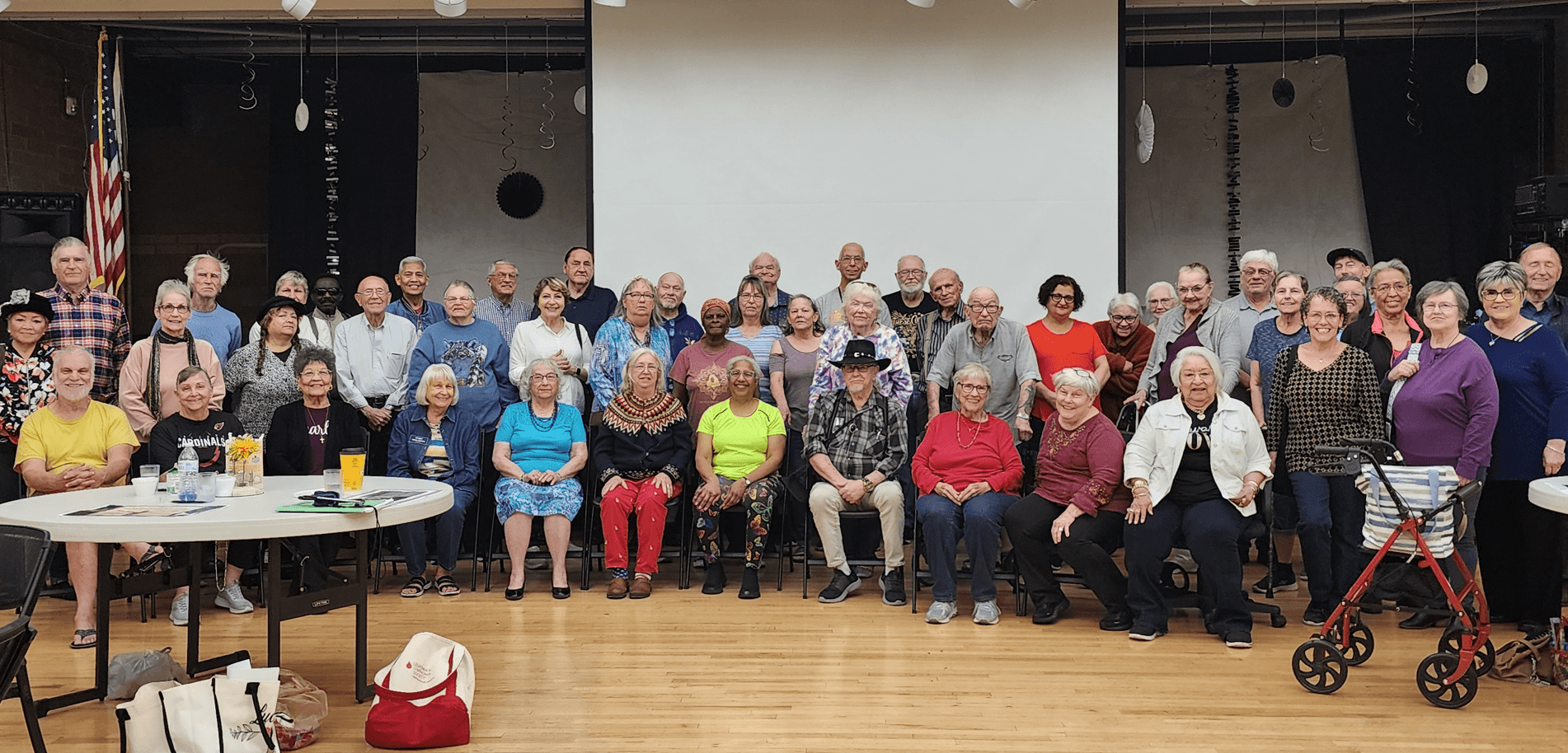
Between special events, weekly classes, and support groups, there is something to do at both Mesa Downtown and Red Mountain nearly every day of the week.
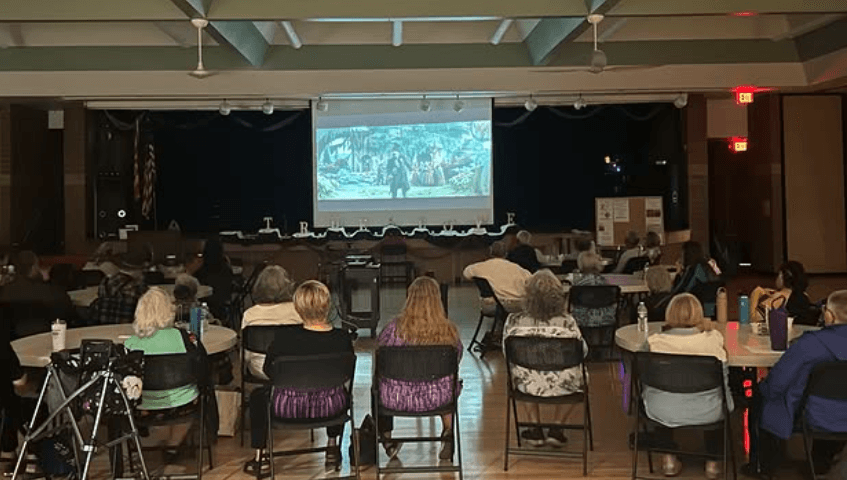
Grab a seat and a bag of popcorn. This November, both Aster Senior Centers are hosting free weekly movies, with a lineup that includes true stories, laugh-out-loud comedies, and a dinosaur adventure. Every showing starts at 12:30 pm, and the popcorn is on us.
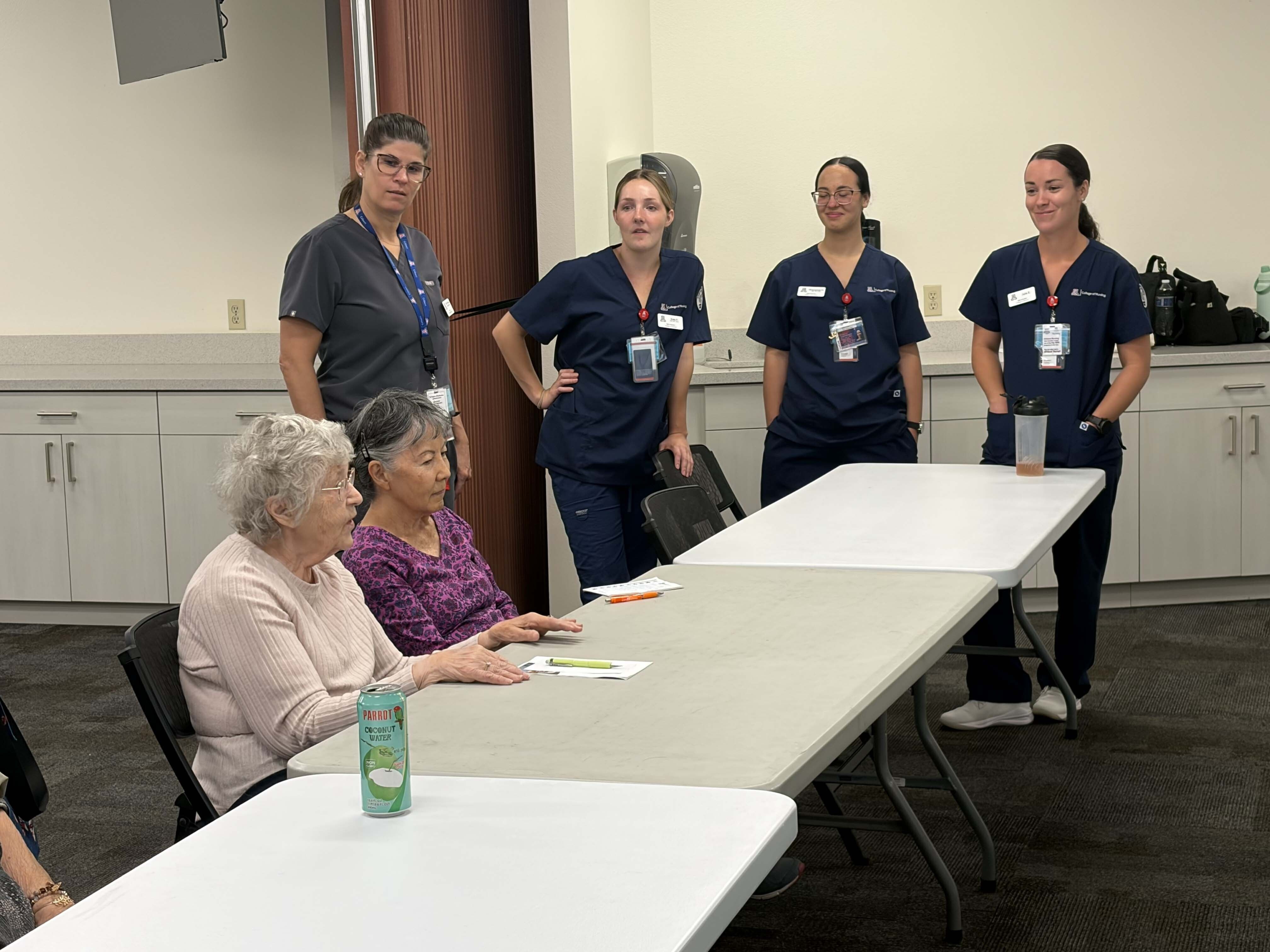
This November, Aster is welcoming students from the University of Arizona College of Nursing to the Mesa Downtown Senior Center for a fun and informative series of health workshops.
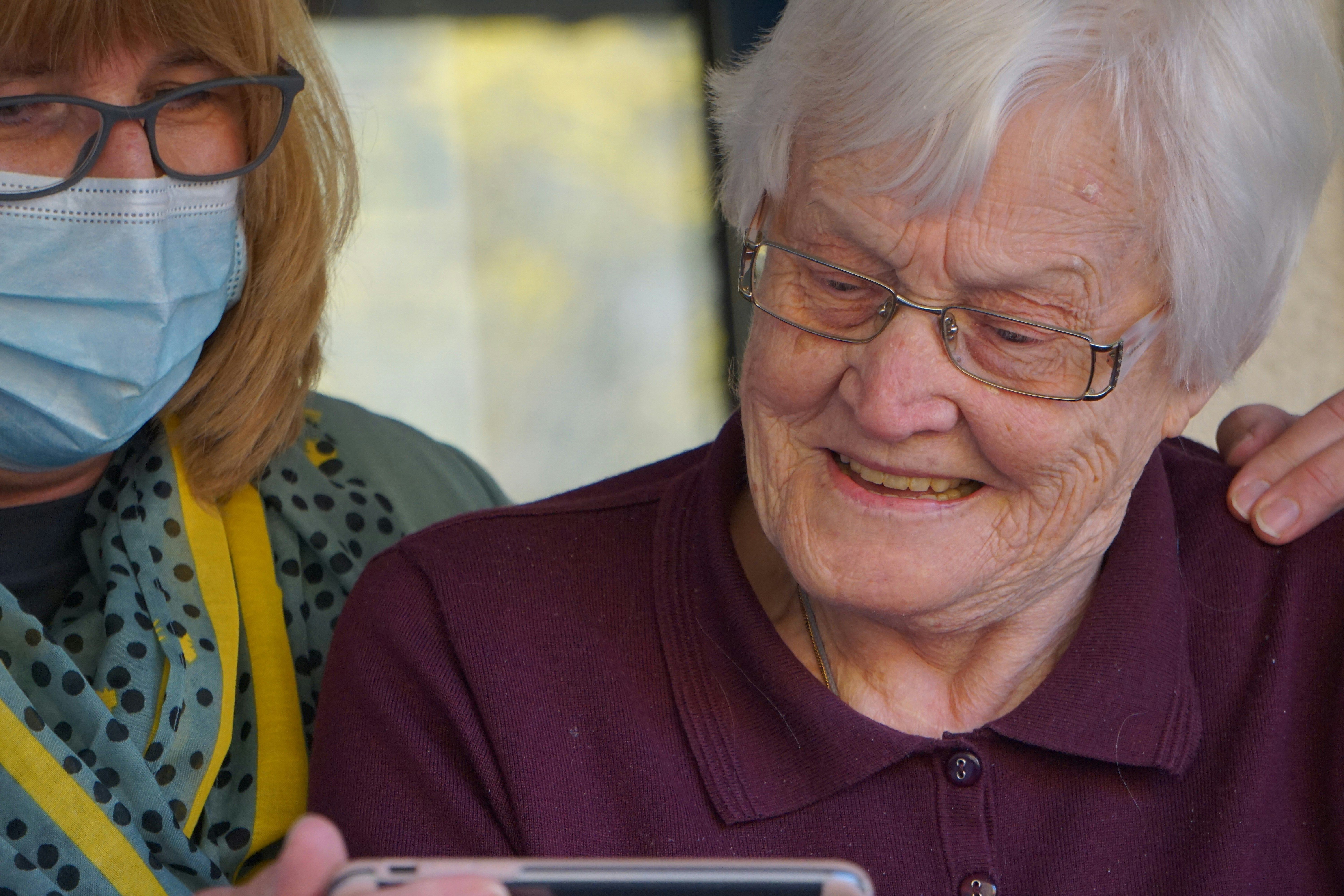
Medicare Open Enrollment is here. It is a good time to make sure the plan you have still serves your needs, and Aster has a team ready to help.

November mornings call for something warm. This baked apple cinnamon oatmeal is made in a single dish with inexpensive pantry staples, and its soft, spoonable texture makes it easy to eat for anyone dealing with chewing difficulty. It is a fiber-rich breakfast that makes several servings, so one pan can cover your mornings all week.
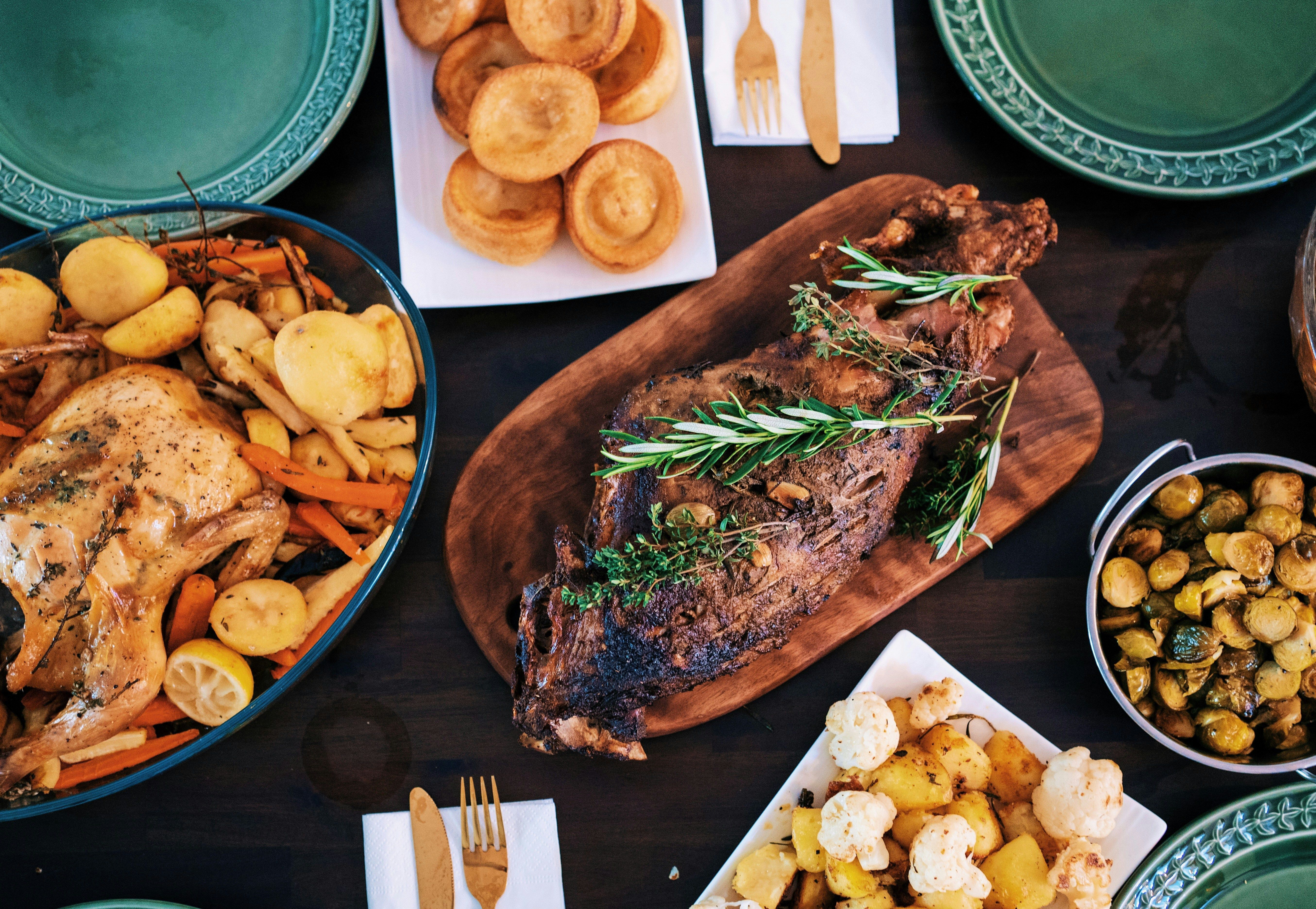
Research consistently shows that the price of basic goods rises around this time of year, which makes things harder for those on a fixed income. Thankfully, there are strategies and resources that can help you keep eating the food you need to stay well.
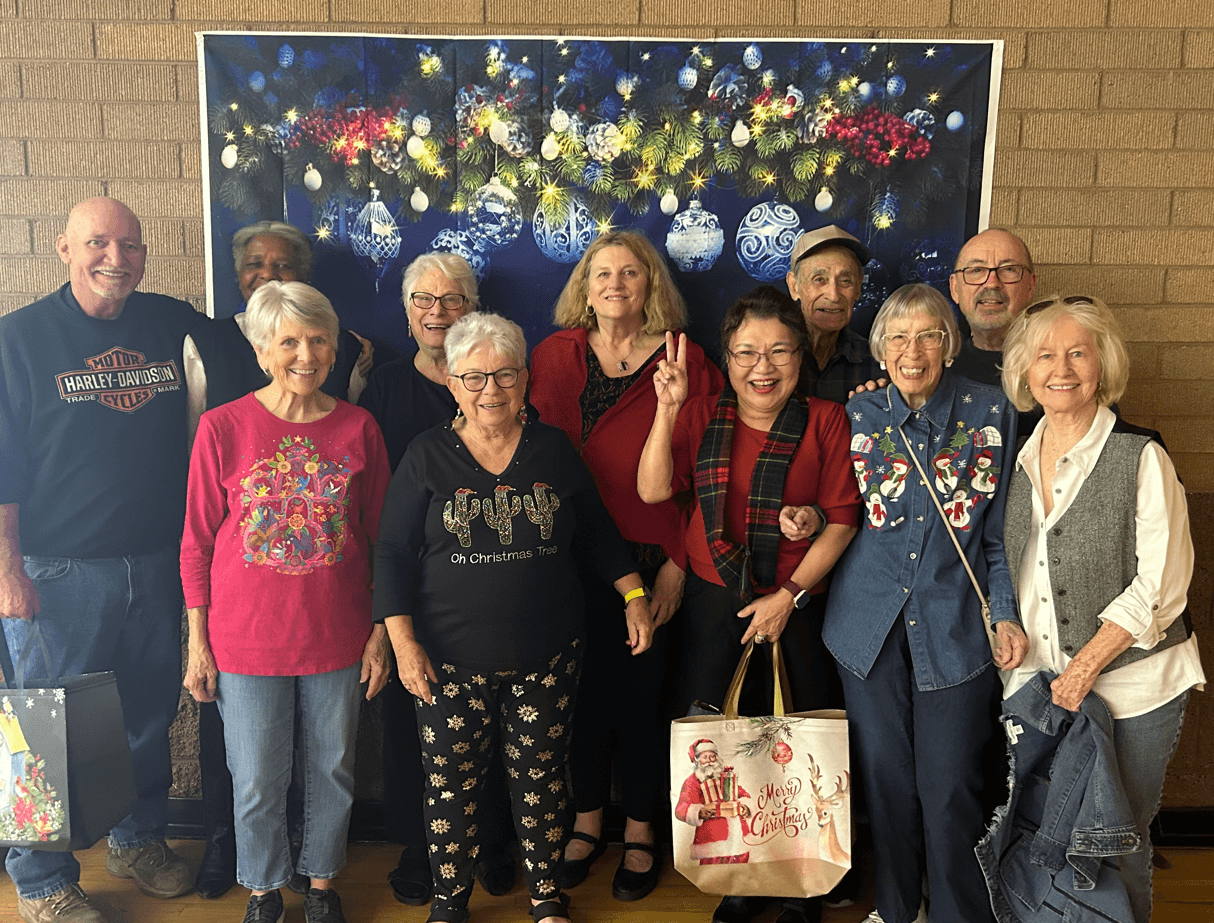
As we grow older, the holidays can stir complicated feelings. Alongside the joy, there may be moments of missing loved ones who are no longer at the table, or of thinking back on traditions that have changed over time. For many, the season is as much about remembering as it is about celebrating.
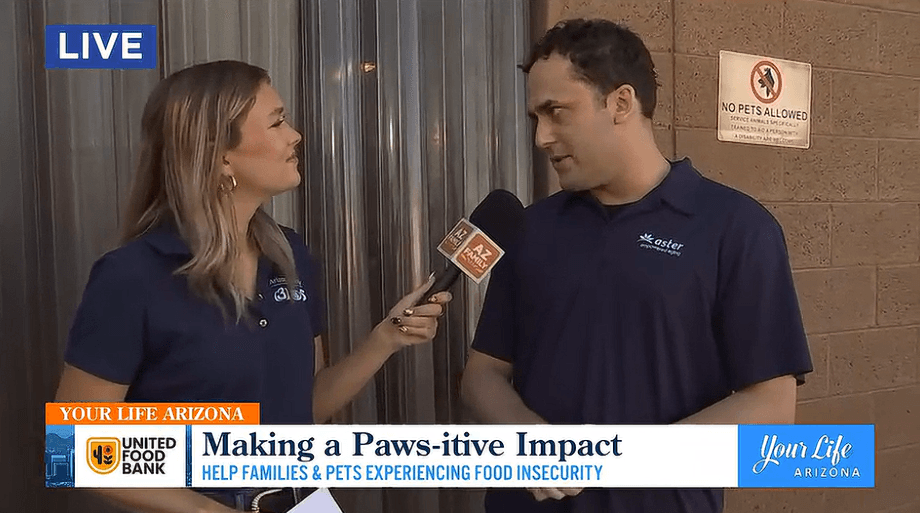
Aster was included in United Food Bank's October 1 telethon. Watch the video by clicking this link.

Every October since 1999, organizations across the country have observed Health Literacy Month — a time to focus on understanding and using health information to take care of yourself.

This year, Open Enrollment for 2027 coverage runs from October 15 to December 7, 2026 — a roughly seven-week window during which Medicare beneficiaries can review, change, or confirm their coverage for the year ahead. Aster is here to help.

It's never too late to quit — and this October, Aster Aging is partnering with the Maricopa County Department of Public Health to prove it.

There's nothing like a matinee with a bucket of popcorn and a room full of familiar faces, and this October, Aster's Senior Centers have free weekly movie showings with a lineup built for the season — think haunted mansions, wisecracking witches, and one very good dog.

Fall doesn't just change the weather — it changes what's cheapest, freshest, and most nutrient-packed at the grocery store. As summer produce fades, a new lineup takes its place, and October's harvest happens to line up remarkably well with what older adults need more of: fiber, potassium, and vitamin A — often at a lower price than out-of-season produce.
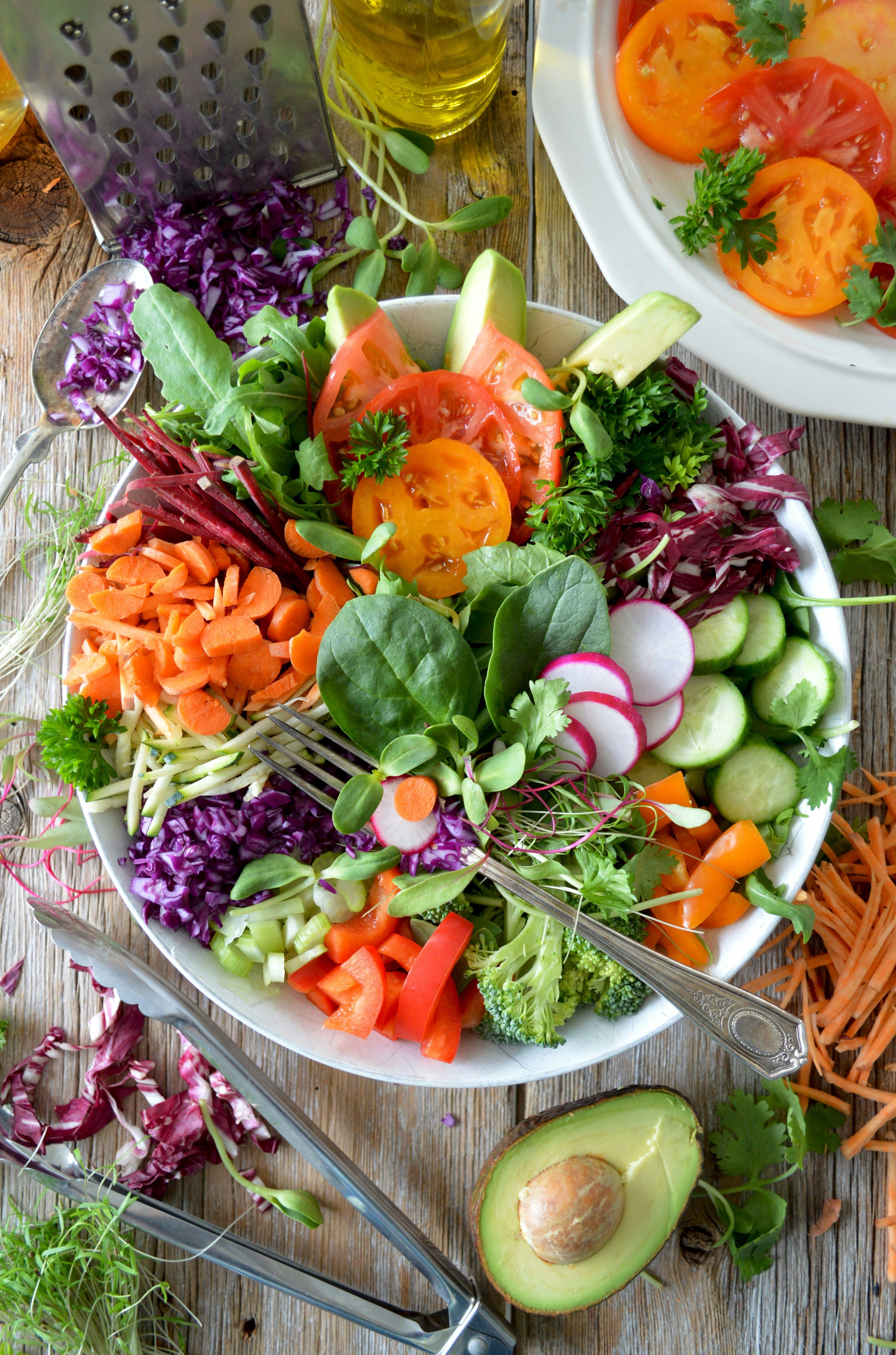
If you've ever stood in a grocery aisle comparing prices and wondered whether eating well is simply out of reach on a fixed income, you're not alone. It's one of the most common concerns we hear from older adults and families across the East Valley — and it's backed by a real, persistent myth: that healthy food costs more than processed or fast food.
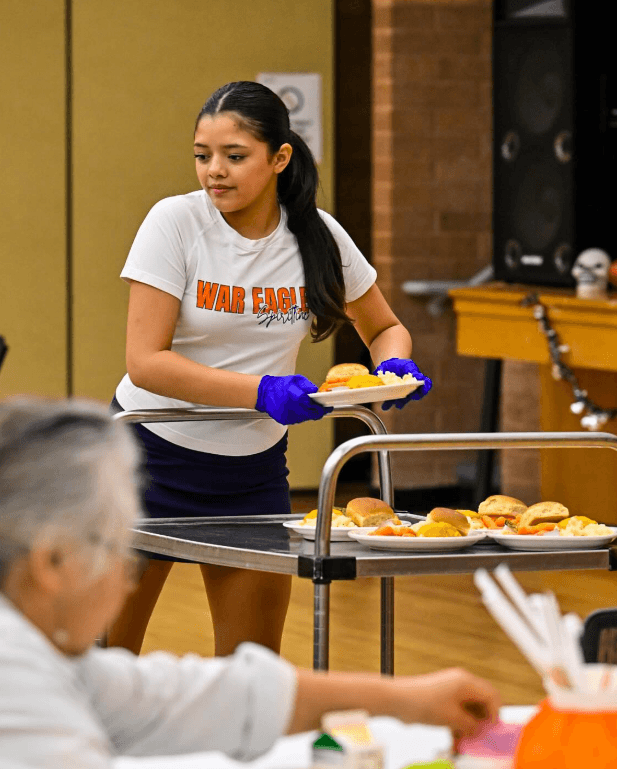
For Aster Aging, volunteers are not simply an addition to its programs. They are part of how the organization delivers services, builds relationships and reaches thousands of older adults across the East Valley.

However you like your movies — sci-fi, spy thrillers, comedy, or a good old-fashioned tearjerker — there's something on the September lineup for you.

Starting in September, University of Arizona Nursing students take the lead on a weekly Health & Wellness Workshop, sitting down with you to talk through practical, everyday health topics — and in the process, both sides walk away better for it.
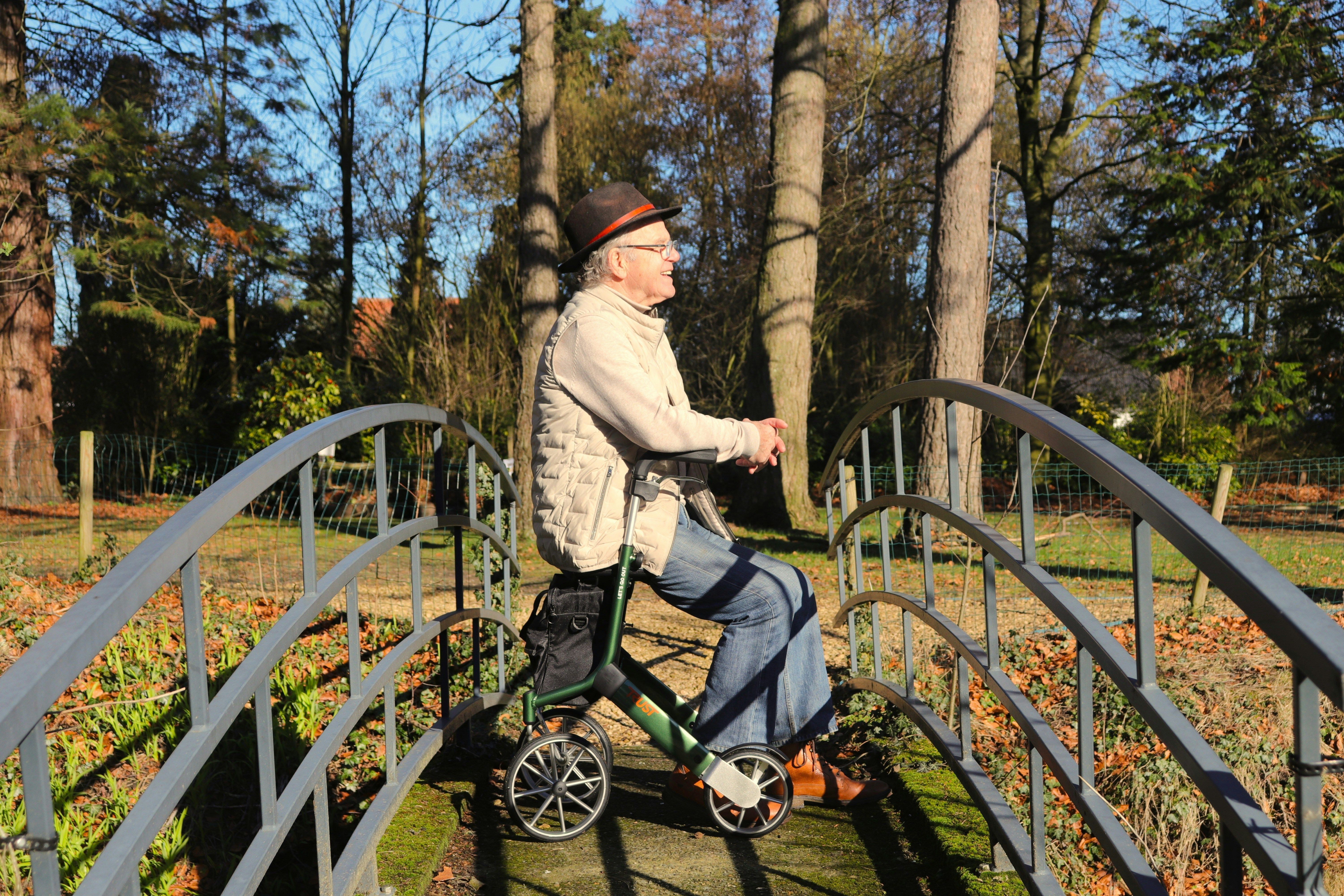
Falls are so often dismissed as just a normal part of getting older, and this couldn't be further from the truth.

Aster is partnering with News Literacy for Arizona to bring a free, nonpartisan workshop to Senior Centers this September — staying informed shouldn't mean feeling overwhelmed or unsure of what to trust.

For most older adults, staying in the home they know — surrounded by their own routines, their own neighborhood, their own memories — is the goal. But independence doesn't mean going it alone.
Every September, more than 10,000 senior centers across the country pause to celebrate something easy to take for granted: a place to belong.
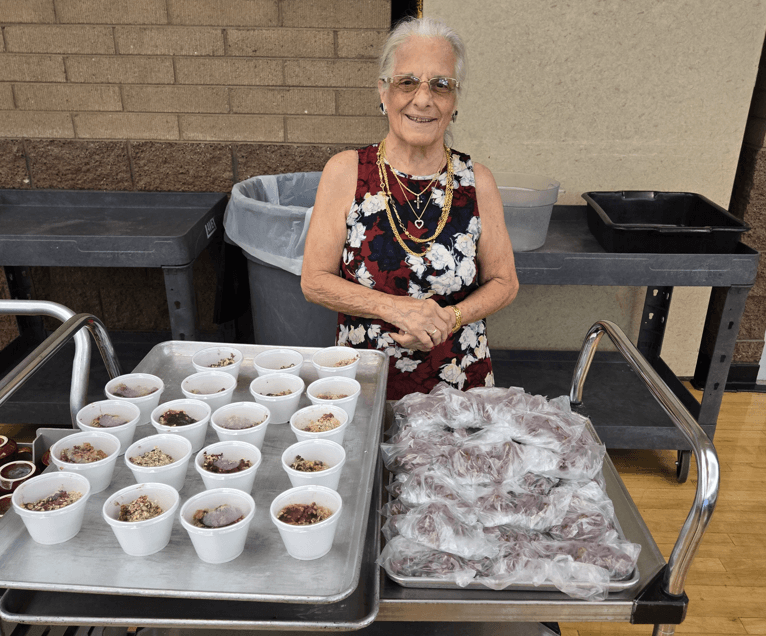
Volunteering at the Senior Center gives you the opportunity to make a difference in the lives of older adults while finding purpose and community.


