

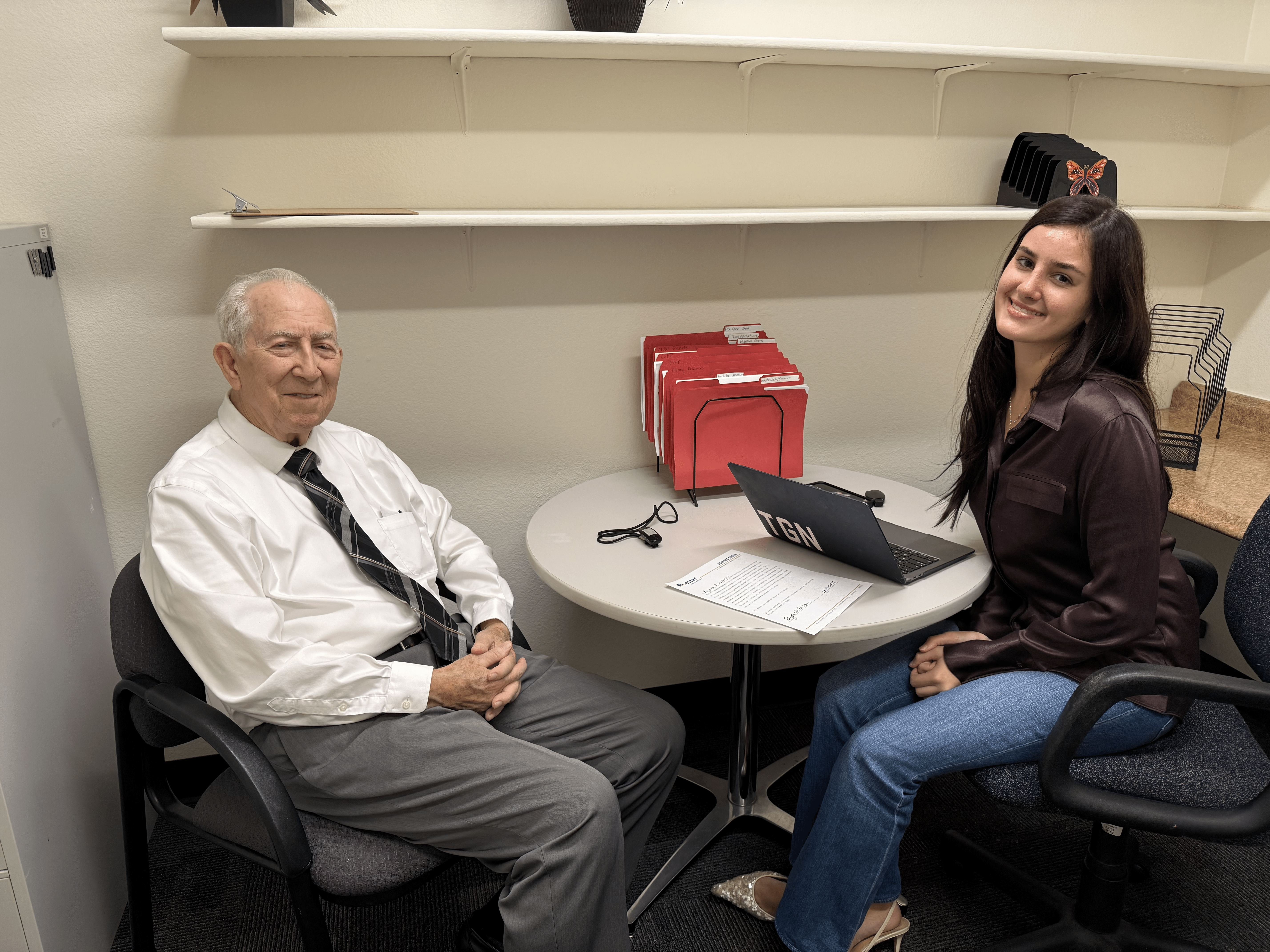
Profile: Dr. Gene Borman, Aster Aging Pet Program Volunteer Veterinarian
Dr. Gene Borman is a husband, father, grandfather, and retired veterinarian who volunteers his time and expertise with Aster's Pet Program. This past week, we sat down with him to learn a little more about his background and his reasons for volunteering with the Pet Program.
The first question we asked Dr. Borman was, “Why did you become a vet?”
“It was an amazing miracle in my life. I met a fellow who was nationally recognized for training hunting dogs, and I purchased a dog from him. He helped me train my dog, and eventually he got me a job working the kennels in a vet office.” Later, Dr. Borman applied to veterinary school from junior college, and he said he felt that the veterinarian he worked for “was instrumental in my getting admitted.”
After graduating from veterinary school, Dr. Borman enlisted in the Army during the Vietnam War. He says, “I had an amazing experience.” He was an officer in training and was assigned to Fort Detrick in Maryland, where he worked in biological sciences for two years before receiving a commendation for his excellent work and being discharged.
Following his enlistment, Dr. Borman returned to school to pursue another degree. After completing it, he returned to veterinary medicine, where he practiced for 43 years before retiring.
Next, we asked Dr. Borman, “As an experienced vet who clearly enjoys helping animals, what drew you to Aster’s Pet Program?”
“I worked in active practice for 43 years. I felt like I was given a blessing, the blessing of being a veterinarian, the blessing of going to veterinary school, the blessings that got me through. I feel the need to give back.” Dr. Borman noted that the veterinary world has changed since he became a vet, but his commitment to helping others has remained the same.
Although Dr. Borman is no longer in active practice and is limited in what he can do for patients, he is more than happy to offer advice based on his experience.
As for how he became involved with Aster, he explained, “I saw in one of the newsletters that they were trying to help pets with food and other things, so I called and offered to help.”
In addition to volunteering, Dr. Borman and his wife both attend Aster as participants, often socializing at the neighborhood center.
Dr. Borman volunteers his services free of charge, but we wanted to know what he feels he gains from his work with Aster’s Pet Program.
He shared that often it is simply meaningful for participants to have someone to talk to about their pets. Dr. Borman’s demeanor made it clear that, for him, the reward lies in knowing he is making a positive impact in someone else’s life.
Toward the end of the interview, we asked Dr. Borman about the animals he sees most often.
He explained that many of the animals are senior pets in rapid decline. In many cases, there is little he can do beyond offering guidance to owners on how to keep their pets comfortable.
For the final question, we asked Dr. Borman if he would share advice for readers who are pet owners.
“Keep them thin. They live longer and will have fewer structural problems as they get older.”
Thank you, Dr. Borman, for all your work with Aster’s Pet Program.


