

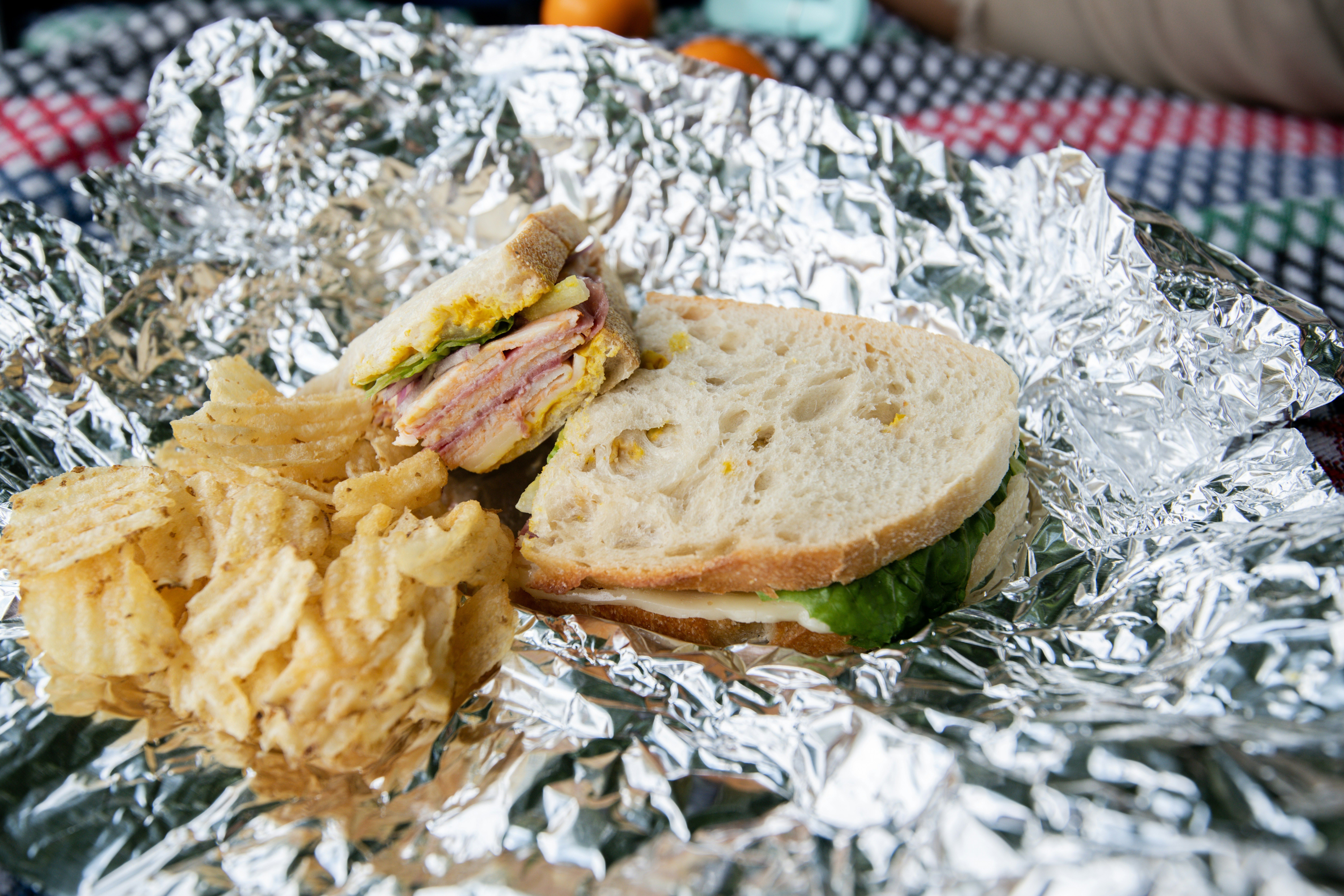
Leftovers are one of the best parts of the holiday season. A second helping of turkey, a pan of stuffing, or a pot of soup can feed you for days and stretch your grocery budget. But leftovers are only a bargain if they’re handled safely. The good news is that it comes down to a few simple habits: cool food quickly, store it well, and heat it all the way through.
Why It Matters
Everyone can get sick from food poisoning, but older adults have more reason to take care. As we age, the immune system has a harder time spotting and clearing out harmful germs, and there is less stomach acid to help kill them. Nearly half of people 65 and older who have a lab-confirmed foodborne illness from germs like Salmonella, Campylobacter, Listeria, or E. coli end up in the hospital.
That may sound alarming, but the steps for preventing it are simple and in your control. Here is how to handle leftovers from the first scoop to the last bite.
Start With Safely Cooked Food
Safe leftovers begin with safely cooked food. You can’t tell by color or texture whether food is fully cooked, so use a food thermometer. Safe internal temperatures are:
- Poultry, including ground chicken and turkey: 165°F
- Ground meats, such as beef and pork: 160°F
- Whole cuts of beef, pork, lamb, and veal: 145°F, then let the meat rest for 3 minutes before carving
- Leftovers and casseroles (when reheating): 165°F
Watch the Clock: The Two-Hour Rule
Bacteria multiply quickly in the “Danger Zone,” between 40°F and 140°F. That is why timing matters so much once dinner is over.
- Refrigerate leftovers within 2 hours of cooking, or within 1 hour if the food has been in temperatures above 90°F, such as a picnic or a hot car.
- Throw away perishable food that has been left out longer than that, even if it looks fine.
- At a buffet or holiday gathering, keep hot food at 140°F or warmer in chafing dishes, slow cookers, or warming trays. Keep cold food at 40°F or below by nesting dishes in bowls of ice, or serve small trays and replace them often.
Cool It Fast
Food that cools slowly gives bacteria more time to grow. A few easy steps help:
- Use small, shallow containers. A big pot of soup takes a long time to cool all the way through, so divide it into smaller containers.
- Cut large items into smaller pieces. Slice roasts and hams. Cut turkey into smaller pieces, slice the breast meat, and leave the legs and wings whole.
- Put it in the refrigerator. Hot food can go straight in, and small portions of hot food chill faster. You can also cool food quickly in an ice or cold water bath first.
- Wrap it well. Cover leftovers, wrap them in airtight packaging, or seal them in storage containers. This keeps germs out and helps food stay moist and free of other fridge odors.
Know How Long Leftovers Last
Here is a quick reference you can keep on the refrigerator door.
What | Guideline |
|---|---|
Refrigerate leftovers | Within 2 hours (1 hour if above 90°F) |
Refrigerator temperature | 40°F or below |
Freezer temperature | 0°F or below |
Eat refrigerated leftovers within | 3 to 4 days |
Freezer storage for best quality | 3 to 4 months |
Reheat leftovers to | 165°F |
Frozen leftovers stay safe indefinitely, but they can lose moisture and flavor if they stay in the freezer too long. If your refrigerator doesn’t have a built-in thermometer, keep an appliance thermometer inside to check the temperature.
A simple habit: Write the date on your container with a marker or a piece of tape. It makes the 3-to-4-day rule much easier to follow.
Freeze What You Won’t Finish
If you know you won’t eat something within 3 to 4 days, freeze it right away. Freezing in single-serving portions makes it easy to grab just what you need.
Thawing. Never thaw food on the counter. Safe options include:
- The refrigerator. This takes the longest, but food stays safe the entire time. Use it within 3 to 4 days after thawing, or refreeze it.
- Cold water. This is faster but needs more attention. Keep the food in a leak-proof bag, and cook it before refreezing.
- The microwave. This is the fastest method. Heat the food to 165°F afterward, and it can then be refrozen.
Reheating from frozen. It is safe to reheat frozen leftovers without thawing them first, such as soups, stews, and casseroles. It just takes a little longer.
Refreezing. Food left after reheating to 165°F can be refrozen. If you froze a large container and only need part of it, thaw it in the refrigerator, take out what you need, and refreeze the rest without reheating.
Reheat It All the Way
Warming leftovers until they are “pretty hot” isn’t enough. Reheat them until they reach 165°F, and use a food thermometer to check.
- Soups, sauces, and gravies: Bring them to a rolling boil.
- Cover your food while you reheat it. This keeps moisture in and helps it heat through.
- In the microwave: Cover the food with a microwave-safe lid or wrap, vent it so steam can escape, and rotate it for even heating. Add a little liquid if needed. Microwaves have cold spots, so check the temperature in several places and let the food stand for a few minutes before taking the final reading.
A Few Extra Tips for Older Adults
- Cut melon: Keep it in the refrigerator and eat it within 7 days. Cut melon left out for more than 2 hours (1 hour if it’s hotter than 90°F) is riskier.
- Deli salads: Premade versions of coleslaw, potato salad, tuna salad, chicken salad, and egg salad are riskier choices than homemade ones.
- Deli meat and hot dogs: Heat them to 165°F or until steaming hot.
- Recalled foods: If a food you bought is recalled, throw it away and clean the refrigerator shelf where it was stored.
Have a question about meat, poultry, or egg products? The USDA Meat and Poultry Hotline can help at 1-888-674-6854.
Let Aster Help
You don’t have to do it all yourself, especially during a busy season.
- Share a meal. Hot, nutritious lunches are served Monday through Friday at both of our Senior Centers (view the current menu). A balanced meal with good company can improve your diet and help you feel less lonely, with no leftovers to manage.
- Try make-ahead cooking. Our Baked Apple Cinnamon Oatmeal recipe makes several servings from one pan, and it follows these same storage tips: small, shallow containers, and eaten within 4 days.
- Get meals delivered. Meals on Wheels brings food to your door. Meals For You, the paid version, offers daily meal delivery along with a wellness check.
- Stretch your food budget. Aster’s Outreach and Social Services team offers free, private, and unbiased consultations to help you find community programs and resources. Email socialservices@asteraz.org or call 480-634-1659.
Aster Senior Center at Mesa Downtown
247 North Macdonald, Mesa, AZ 85201
480-962-5612 | cbs@asteraz.org
Map to Mesa Downtown
Aster Senior Center at Red Mountain
7550 East Adobe Street, Mesa, AZ 85207
480-218-2221 | cbs@asteraz.org
Map to Red Mountain
Both Centers are open 8:00 am to 4:00 pm, Monday through Friday, excluding holidays. To explore all of our programs and services, visit asteraz.org or call 480-964-9014.
Sources
- U.S. Department of Agriculture, Food Safety and Inspection Service. Leftovers and Food Safety
- Centers for Disease Control and Prevention. Preventing Food Poisoning
- Centers for Disease Control and Prevention. Safer Food Choices for Adults 65 and Older
- Centers for Disease Control and Prevention. People at Increased Risk for Listeria Infection
About Aster Aging
Aster Aging is a 501(c)(3) nonprofit organization dedicated to serving our local communities since 1979. Aster provides a full continuum of services to help older adults and their families navigate aging with independence and dignity.
Aster impacts thousands of older adults and their families in the East Valley through our core programs:


