

Seasonal Produce Guide: Eating with the Season This Fall
Fall doesn't just change the weather — it changes what's cheapest, freshest, and most nutrient-packed at the grocery store. As summer produce fades, a new lineup takes its place, and October's harvest happens to line up remarkably well with what older adults need more of: fiber, potassium, and vitamin A — often at a lower price than out-of-season produce.
Eating with the season isn't just a food-blogger trend. It's a practical way to eat well on a budget. Produce that's in season doesn't have to travel as far or sit in cold storage as long before it reaches the shelf, which generally means better flavor, better nutrition, and a lower price tag than the same item would carry a few months later — or earlier — in the year.
Here's what to look for this month, and why it's worth building a plate around.
What's Actually in Season Right Now?
October's peak-season list includes winter squash (butternut, acorn, and spaghetti varieties), sweet potatoes, pumpkin, apples, pears, and dark leafy greens like kale and Swiss chard. All of these are at their best right now — nutritionally, and often financially, too.
Why Squash and Sweet Potatoes Get So Much Attention
Winter squash and sweet potatoes are among the standout foods of the fall season, and for good reason. Both are excellent sources of vitamin A and fiber, two nutrients that support eye health, immune function, and steady digestion. Just as importantly, both become naturally soft once cooked — whether roasted, mashed, or pureed into soup — which makes them a practical choice for anyone dealing with chewing difficulty.
A baked sweet potato with the skin split open, or a warm bowl of butternut squash soup, delivers a meaningful amount of nutrition without requiring much effort or many ingredients. Roasting a whole squash or a few sweet potatoes at once also means leftovers are ready to reheat across several meals during the week.
What About Apples and Pears?
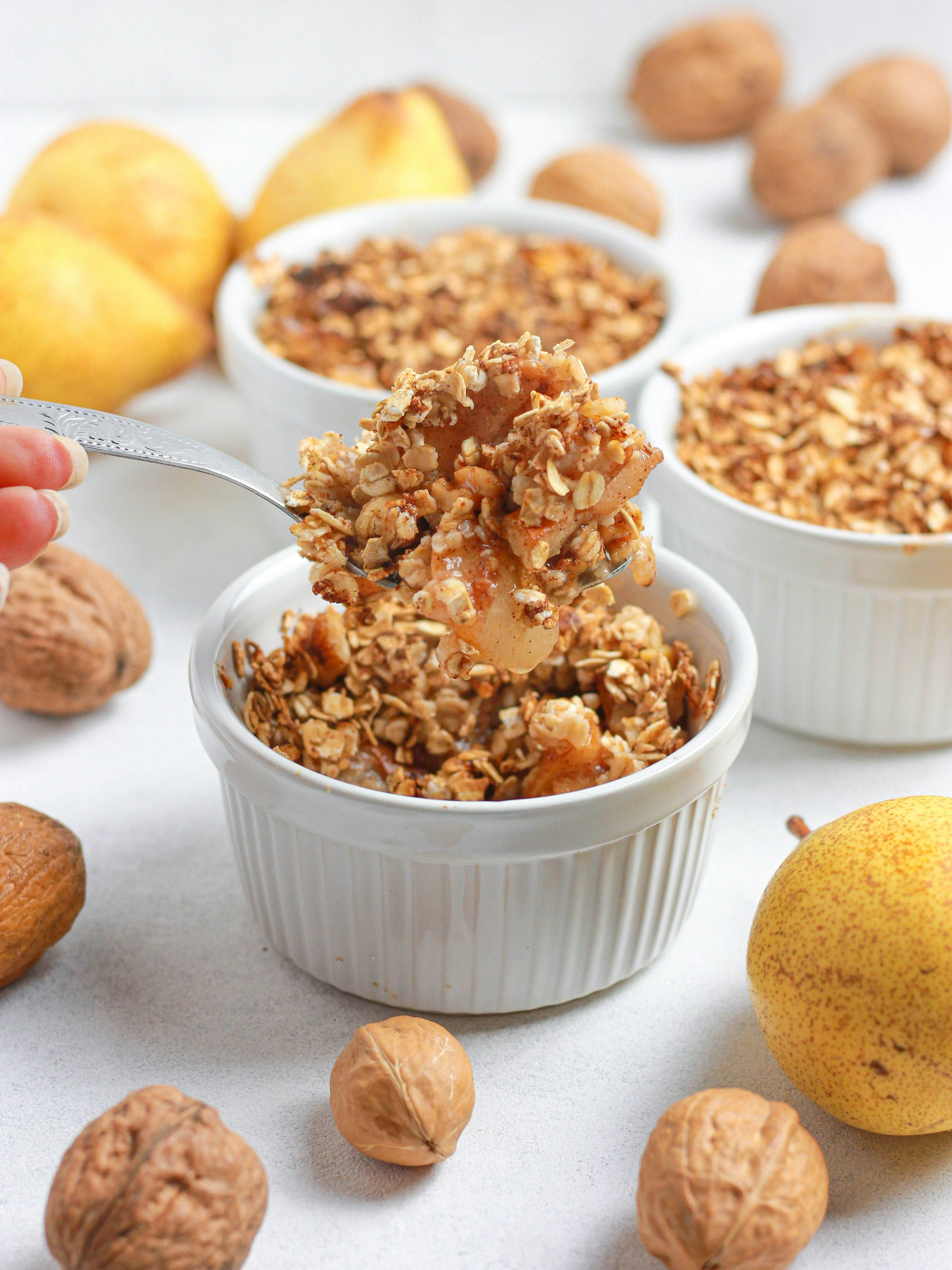
Fall's fruit lineup is just as valuable. Apples and pears are both high in fiber, particularly when the skin is left on, which supports the kind of steady digestion that becomes more of a concern with age. For anyone who finds raw fruit harder to chew or manage, stewing or baking apples and pears softens them considerably while keeping most of their nutritional value intact — a simple pot of cinnamon-stewed apples or a baked pear half can turn a fresh fruit that's tricky to eat into a dessert-like side dish that's easy to enjoy.
Do Leafy Greens Fit Into Fall Eating Too?
Yes — kale, Swiss chard, and other cooking greens are in season through the fall and hold up especially well simmered into soups and stews or sautéed as a simple side dish. Cooking greens down also softens their texture considerably, making them easier to eat than a raw salad, while still delivering their fiber, vitamin K, and other nutrients.
A Practical Starting Point
You don't need a complicated recipe to eat seasonally. A simple approach: build a meal around one seasonal vegetable — roasted squash, a baked sweet potato, or a side of sautéed greens — add a lean protein, and round it out with a piece of fall fruit, stewed if that's easier to eat. It's a straightforward way to eat with the season instead of against it, and it's often the cheaper path, too.
Try it tonight: A roasted sweet potato and white bean bowl is a good place to start. It comes together in one pan, so cleanup is minimal, and the soft, mashable texture of both the sweet potato and the beans makes it an easy, comfortable meal for anyone managing chewing difficulty.
Aster Aging Can Help
Eating seasonally is one piece of the puzzle — affording groceries in the first place is another. Aster Aging can help connect you with resources that make groceries more affordable, including SNAP benefits. Contact Ramoncita Cocova, Aster's Director of Social Services, at rcocova@asteraz.org or (480) 634-1659 for more information.
For more health tips, visit MyPlate.gov.
Sources
Adapted from the USDA's MyPlate Seasonal Produce Guide and SNAP-Ed Connection, via the U.S. Department of Agriculture (USDA).


