

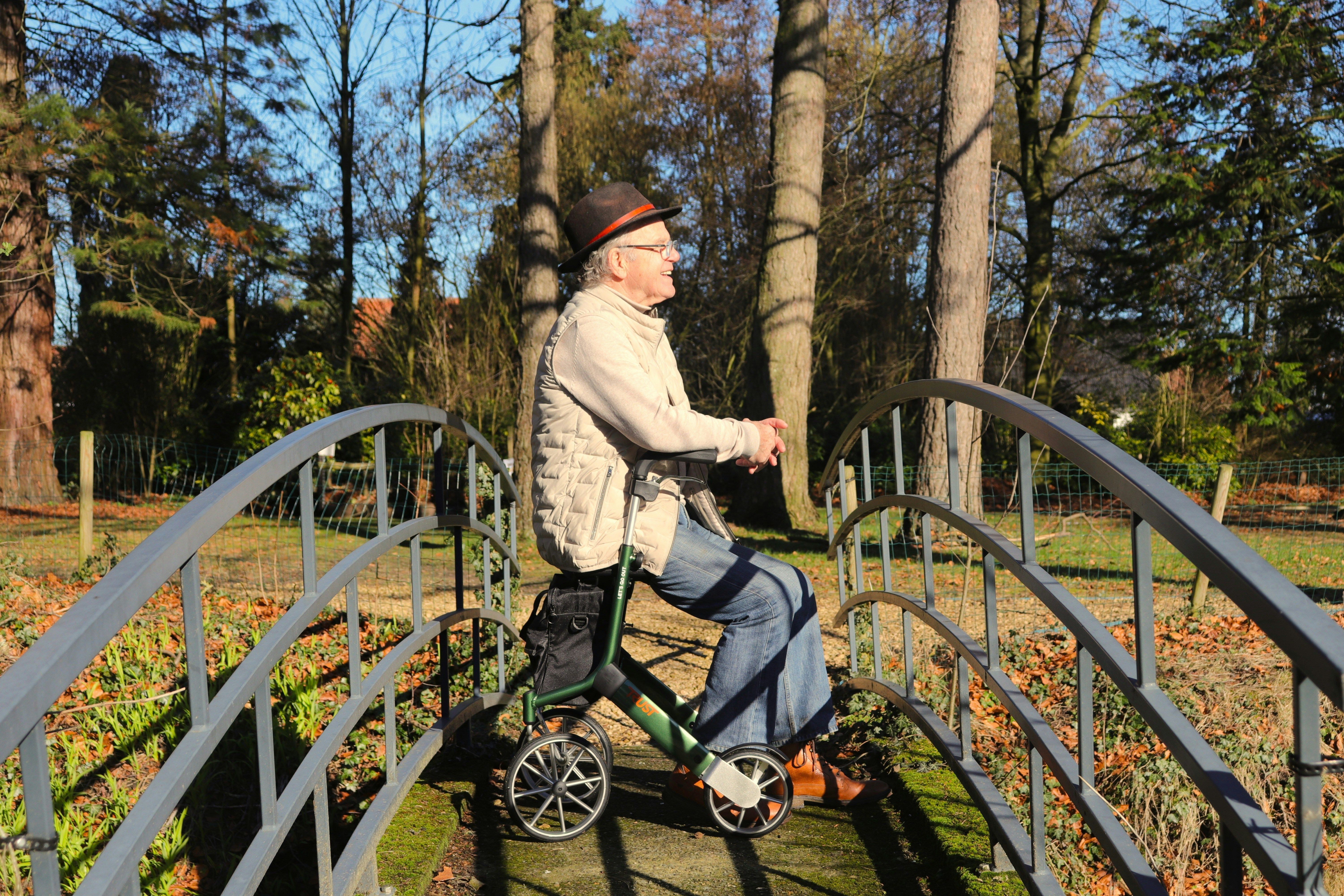
Falls Prevention Awareness Week: Small Steps That Keep You Safe and Independent
Every September, organizations serving seniors across the United States pause to focus on something that affects millions of older adults each year: falls. This year, Falls Prevention Awareness Week runs September 21–25, and it's a good moment to talk honestly about a topic that doesn't always get the attention it deserves. Falls are so often dismissed as just a normal part of getting older, and this couldn't be further from the truth.
Falls Are Common — But They're Not Inevitable
According to the National Council on Aging (NCOA), which leads Falls Prevention Awareness Week each year through its Falls Free® Initiative, more than 14 million Americans age 65 and older — about one in four — falls each year. Falls are the leading cause of both fatal and nonfatal injuries among older adults, and the financial toll is substantial: non-fatal older adult falls cost the healthcare system about $80 billion in 2020 alone, a figure expected to keep climbing as our population ages.
Numbers like that can sound alarming, but NCOA's message is a hopeful one: falls are largely preventable. The goal of this week is not to scare people, but to equip them with practical tools to reduce their risk and stay confident.
What You Can Actually Do
The good news is that falls prevention doesn't require a major life overhaul. It's a handful of manageable habits and check-ins that add up to real protection:
Find a good balance program. Strength and balance exercises — things like tai chi or a dedicated balance class — are among the most effective ways to reduce fall risk. Aster hosts Falls Prevention classes each year in partnership with A.T. Still University - stay tuned for more information soon.
Talk to your healthcare provider. A simple conversation about your fall risk, especially if you've had a close call or a fall in the past year, can help your provider identify factors you might not have considered.
Review your medications. Certain medications, or combinations of medications, can affect balance and increase fall risk. A regular medication review with your doctor or pharmacist is one of the simplest ways to catch this early.
Get your hearing and vision checked annually. Both hearing and vision naturally change with age, and both play a bigger role in balance than most people realize. Annual checkups help catch changes before they become a safety issue.
Keep your home free of tripping hazards. Loose rugs, poor lighting, cluttered walkways, and stairs without handrails are some of the most common — and most fixable — fall risks in the home.
None of these steps are complicated on their own. But together, they represent exactly the kind of practical, evidence-based approach NCOA promotes: small, proactive habits that help older adults stay independent, active, and confident in the homes and communities they love.
Learn More
For more falls prevention resources, tools, and information, visit NCOA.org.
Statistics on falls prevalence and cost in this article are sourced from the National Council on Aging (NCOA), ncoa.org.


